
Historic orchard dust entering a Yakima home from former orchard soil
Quick Answer: Historic orchard dust enters Yakima homes through wind, shoes, pets, HVAC systems, and open windows. Once inside, the fine particles settle on surfaces, circulate through indoor air, and are difficult to remove completely.
Many Yakima neighborhoods were built on former orchard land where lead arsenate pesticides were used for decades.
Although the orchards disappeared long ago, contaminated soil can still be present. Wind, foot traffic, pets, landscaping, and everyday outdoor activity can carry fine dust indoors. Once inside, it settles on surfaces and can easily recirculate throughout the home, making it difficult to control with routine cleaning alone.
This guide explains how historic orchard soil contamination can enter Yakima homes as dust. The potential health risks it creates and the practical steps homeowners can take to reduce indoor exposure.
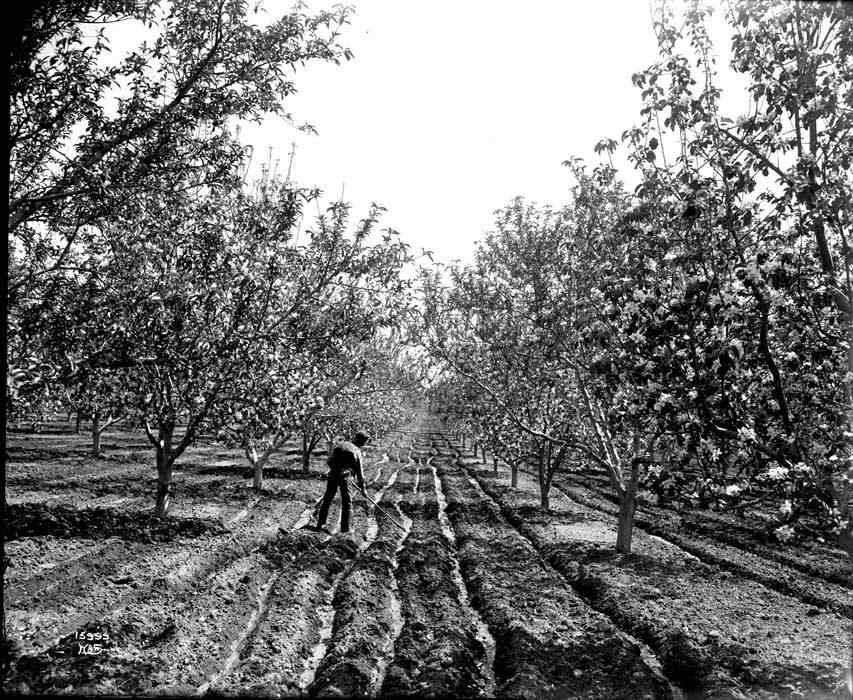
Why This Dust Exists in the First Place
Historic orchards across Central Washington were repeatedly treated with lead arsenate to control codling moths. Because lead and arsenic do not naturally break down, contaminated soil remains beneath many newer neighborhoods today.
| Topic | Details |
|---|---|
| Why was lead arsenate used? | From the early 1900s until the late 1940s, apple growers relied on lead arsenate to control destructive codling moth infestations. As the insects became resistant, growers often increased application rates. |
| What replaced it? | By the late 1940s, growers largely switched to DDT because it was more effective against codling moth populations that had developed resistance to lead arsenate. |
| Why is contamination still present? | Lead and arsenic are heavy metals, not chemicals that biodegrade. They remain in the upper layers of soil for decades unless the contaminated soil is removed or safely capped. |
| How deep is the contamination? | Most legacy contamination is found within the top 1–2 feet of soil, where historical pesticide applications accumulated. |
| How much land is affected? | The Washington Department of Ecology has identified nearly 115,000 acres of historic orchard land that may contain elevated lead and arsenic concentrations. |
| Which areas are most affected? | The largest concentrations are in Yakima, Chelan, Douglas, Okanogan, and parts of Benton County, where commercial orchards once dominated the landscape. |
| Why does this matter today? | Many former orchards have been redeveloped into neighborhoods, schools, and parks. A home built recently can still sit on soil that was sprayed nearly a century ago. |
| How does the dust become airborne? | Dry summers, strong winds, construction, landscaping, tilling, and vehicle traffic disturb contaminated topsoil, allowing dust particles to spread into nearby yards and homes. |
Six Ways Orchard Dust Gets Into Your House
1. Shoes, Pets, and Everyday Foot Traffic
This is the most common source.
Every trip to the mailbox. Every grocery run. Every time the dog comes back inside.
Tiny soil particles hitch a ride on shoes, paws, tools, and equipment. Once they reach your floors, they dry out, break apart, and become household dust.
Pets make it worse. A dog that loves digging or rolling in the yard can spread dirt from room to room before you even notice.
2. Open Windows and Doors
A warm Yakima afternoon makes it tempting to open the windows.
The problem?
Dust doesn’t need an invitation.
Wind can carry fine soil particles from your yard, a nearby lot, or a construction project down the street. Those particles settle on windowsills, furniture, and floors long before you see them.
3. Your HVAC System
Your heating and cooling system moves air throughout the house.
It can also move dust.
If outdoor particles enter the system, they can travel through the ductwork and reach every room. Standard filters catch larger debris, but smaller particles often continue to circulate until the filters are replaced.
4. Yard Work and Gardening
A quick weekend project can stir up more dust than you think.
Digging, weeding, mowing, and tilling all disturb surface soil. Once those particles become airborne, they don’t always stay outside.
Gardening deserves special attention. Even when fruits and vegetables are safe to eat, soil residue can remain on produce and gardening tools, creating another pathway for dust exposure.
5. Construction and Excavation
Any project that breaks ground can bring buried soil to the surface.
Installing a fence. Digging a trench. Building an addition. Even small landscaping projects can disturb deeper layers of soil and release dust into the surrounding area.
That’s one reason soil testing is often required before development on former orchard land. After excavation or remodeling projects, post-construction cleaning helps remove the fine dust left behind indoors.
6. Plain old wind erosion
Sometimes, no one has to do anything at all.
Yakima’s dry climate and frequent winds can move soil naturally. A bare patch of dirt, a thin lawn, or recently disturbed ground can become a constant source of dust. Many homeowners struggle to tell whether indoor particles are dust or seasonal pollen. Understanding the difference helps you choose the right cleaning approach.
The wind picks it up.
And eventually, some of it finds its way indoors.
Why Indoor Dust Matters More Than Most People Think
Indoor dust matters because it can become a daily exposure source, especially for young children. Fine particles settle on floors, furniture, and carpets, where they can be inhaled or picked up on hands throughout the day.
Who Needs to Pay Closest Attention
- Families with kids under six: Floor time and hand-to-mouth contact make this the highest-risk group
- Pregnant individuals: Lead exposure carries known developmental risks
- Gardeners growing food in native soil rather than raised beds
- Daycare operators and in-home providers: Washington law requires action once lead or arsenic is identified in a licensed care space
- Construction workers, landscapers, and contractors working on former orchard properties
- Owners of older homes built before orchard-land testing requirements existed, where pre-occupancy soil testing likely never happened

How to Find Out If Your Property Was a Former Orchard?
The Washington Department of Ecology built a searchable map using historic aerial photographs run through GIS analysis. Type in your address, and it’ll tell you whether your property falls on land identified as a historic orchard.
If it does, Ecology offers free soil sampling. Results will tell you whether your arsenic or lead levels exceed state cleanup thresholds. And that determines what happens next.
Honestly, checking the map is the single most useful five minutes you can spend if you’re even a little curious whether this applies to you.
Cutting Down on Orchard Dust Indoors
Soil testing and formal remediation. Excavation, capping, consolidation, and mixing deal with the source. But while you’re figuring out next steps, a handful of habits go a long way toward reducing what makes it inside:
- Go shoe-off at every entry point, with a mat or boot tray to catch loose soil before it spreads further
- Cover bare soil with grass, mulch, or gravel instead of leaving it exposed to wind and foot traffic
- Wipe pet paws after yard time, especially after any digging
- Garden in raised beds with clean, imported soil instead of tilling native ground
- Use HVAC filters rated for fine particulate, and actually replace them on schedule
- Wet-mop and HEPA-vacuum instead of dry-sweeping. If fine dust has already built up throughout the home, professional deep cleaning can remove particles from areas that everyday cleaning often misses.
- Damp-dust regularly, especially in rooms where kids spend the most time
None of this replaces testing or remediation if your property comes back above state thresholds. But it meaningfully cuts ongoing exposure while you sort that out.
Where Professional Cleaning Comes In
Fixing contaminated soil is only part of the job.
Whether a property is being tested, excavated, or remediated, dust often ends up where homeowners least want it: inside the house.
And once fine particles settle into carpets, vents, upholstery, and hard-to-reach surfaces, a quick vacuum usually isn’t enough.
That’s where professional cleaning can help.
At Cleaning Brothers LLC, our residential cleaning services in Yakima help homeowners, daycare providers, and property managers remove the dust that remains after soil work is complete. While environmental specialists handle the contamination source outdoors, we focus on reducing the dust that has already made its way indoors.
The goal is simple: a cleaner home and fewer particles circulating through the spaces where people spend the most time.